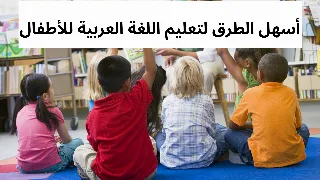
The Easiest Ways to Teach Arabic to Children
The Arabic Language: Our Lost
Treasure in a New Land
The Arabic language is not merely a tool for communication; it is our bridge to preserving our identity and culture in new communities. Given the challenges faced by parents in the diaspora, Dr. Al-Khouli offers inspiring practical insights and valuable experiences that support families in instilling a love of Arabic in their children. Dr. Muhammad Ali Al-Khouli is the Associate Dean of the Faculty of Foreign Languages at Istanbul Aydin University and one of the leading researchers in the development of Arabic language curricula, with publications and research taught at international universities.
Here are the key points from this rich and insightful interview
Host: Why is the Arabic language considered essential for preserving identity?
Al-Khouli: “The Arabic language is not merely a means of communication; it is a vessel for cultural and religious identity. It connects generations to the Holy Quran and Arab heritage, and it strengthens the sense of belonging.”
Host: At what age can children begin learning Arabic?
Al-Khouli: “Children can begin learning the language from birth through their surroundings. Generally speaking:
- Between one and a half and two years old: Children begin to learn the pronunciation of letters.
- At age four: They can recognize the shapes of letters and write them.
- At age six: Skills such as listening, writing, and reading are integrated.”
Host: Can children learn two languages at the same time?
Al-Khouli: “I recommend focusing on Arabic before the age of six. This helps children build a strong foundation in the language, after which they can easily learn a second language.”
Host: How can we strengthen children’s Arabic language skills at home?
Al-Khouli: “There are several effective ways, including:
- Setting aside time each day to speak Arabic.
- Reading aloud to children.
- Participating in family activities such as watching educational programs in Arabic.
- Encouraging the correct use of the language under parental supervision.”
Host: What is the best way to teach grammar to children?
Al-Khouli: “Grammar can be simplified for children by presenting it in a functional way. For example:
- Using everyday examples to illustrate grammar rules.
- Using stories and interactive activities to make learning fun.”
Host: Can technology help with learning Arabic?
Al-Khouli: “Absolutely. Technology provides effective tools such as:

Want to know your Arabic level?
Faseelh's placement test is free and puts you at the right level so you can start right away, for kids and adults.
- interactive educational apps;
- Online learning platforms.
- Educational videos designed for children.”
Host: How important is the role of cultural centers in promoting Arabic language learning?
Al-Khouli: “Cultural centers play a vital role by:
- Offering structured educational courses based on recognized frameworks.
- Creating an interactive environment between children and teachers.
- Promoting the practical application of the language through recreational and cultural activities.”
Host: How can parents address language challenges in new communities?
Al-Khouli: “I advise parents to do the following:
- Organize visits with other Arab families to provide a rich language environment.
- Enroll children in schools or programs that use Arabic.
- Encourage children to listen to the Holy Quran and participate in cultural activities.”
Host: Can reading help improve language skills?
Al-Khouli: “Absolutely. Reading opens up a world of possibilities for children. I recommend starting with simplified books such as:
- books by Ali al-Tantawi.
- Short stories such as “Don’t Leave the Bread Basket Empty.”
- Simplified children’s books such as the stories of Kalila and Dimna.”
**Conclusion:** Identity and culture. By following the advice mentioned above, we can strengthen the learning of the Arabic language and ensure its transmission to future generations.
To watch the full interview on YouTube via our channel, click this link: https://youtu.be/y5X2w5qxZek Important
Links Faseelh
Website: https://www.faseelh.com/
YouTube: https://www.youtube.com/@faseelh
Facebook: https://www.facebook.com/faseelh.ed/
Instagram: https://www.instagram.com/faseelh.ed/
Faseelh Community: (Faseelh Community)
2- Download the Faseelh app
- For Android, click here:

- For iPhone, click here:

Faseelh: Toward a Service Worthy of the Arabic Language’s Status
Start learning Arabic with Faseelh
Interactive lessons, games and educational stories that fit your age and level. Start free on the web or in the app.